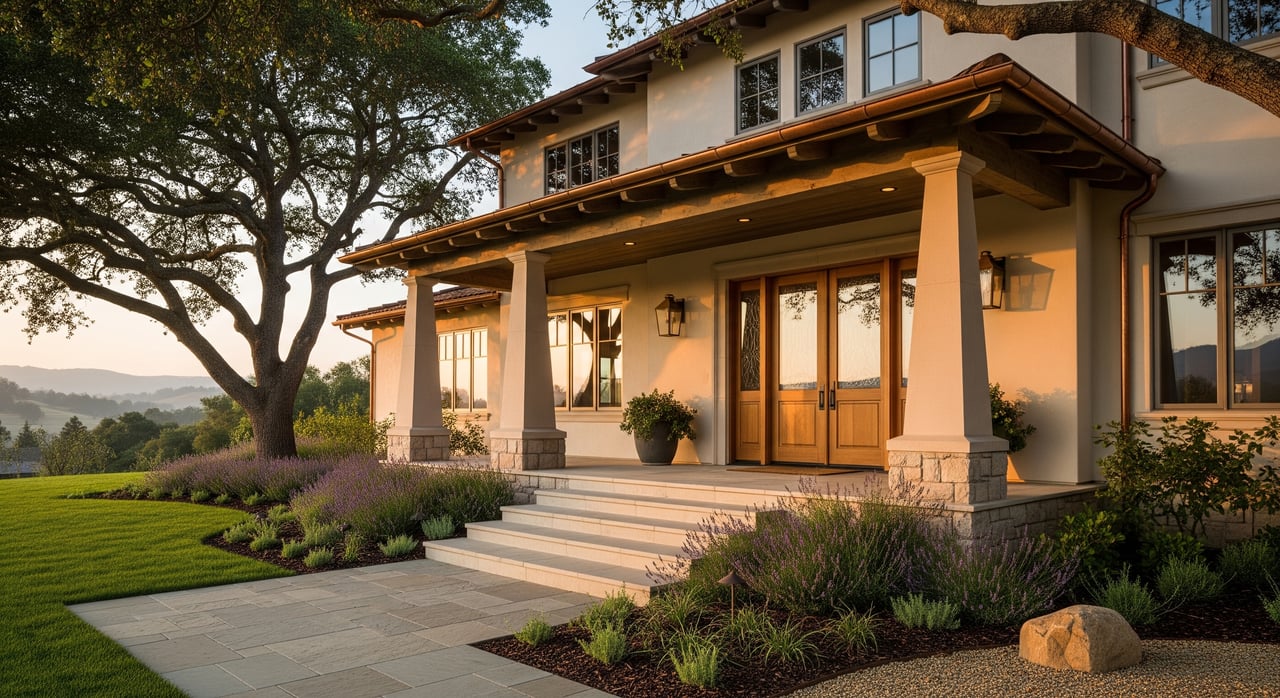
Thinking about planting roots in Pleasanton? If you want a quieter suburban pace with a lively historic downtown, strong community programming, and access to Bay Area job centers, this Tri‑Valley city might fit your life. You’ll get a clear picture here of neighborhoods, schools, commute options, parks, local culture, and tradeoffs, so you can decide with confidence. Let’s dive in.
Pleasanton at a glance
Pleasanton sits in Alameda County’s Tri‑Valley, alongside Dublin and Livermore. The feel is suburban with a compact, walkable downtown around Main Street and First Street. You’ll see tree‑lined neighborhoods, nearby open space, and a calendar of community events.
The city’s population is in the tens of thousands, and household incomes and education levels trend higher than national averages. For the most current figures, check the latest data on the U.S. Census QuickFacts for Pleasanton.
Pleasanton is home to regional employers and corporate offices. Workday, for example, is headquartered here. Many residents also commute to larger job hubs across the East Bay, Peninsula, and South Bay.
A day in the life
Start with coffee downtown, where you can stroll past independent shops before a short drive to work or a BART ride. After school drop‑off, the afternoons often mean youth sports at a neighborhood park or a quick run on a nearby trail. Evenings are relaxed: dinner on Main Street, a low‑key wine bar, or a seasonal event like a street fair or farmers’ market.
Neighborhoods and housing
Pleasanton offers a range of housing types, mostly single‑family homes with pockets of condos and townhomes.
Downtown and near‑downtown
You’ll find older homes, from Victorian and Craftsman styles to mid‑century properties, within walking distance of shops and dining. The streets are lively on weekends and during community events, and daily errands can be convenient.
Established single‑family areas
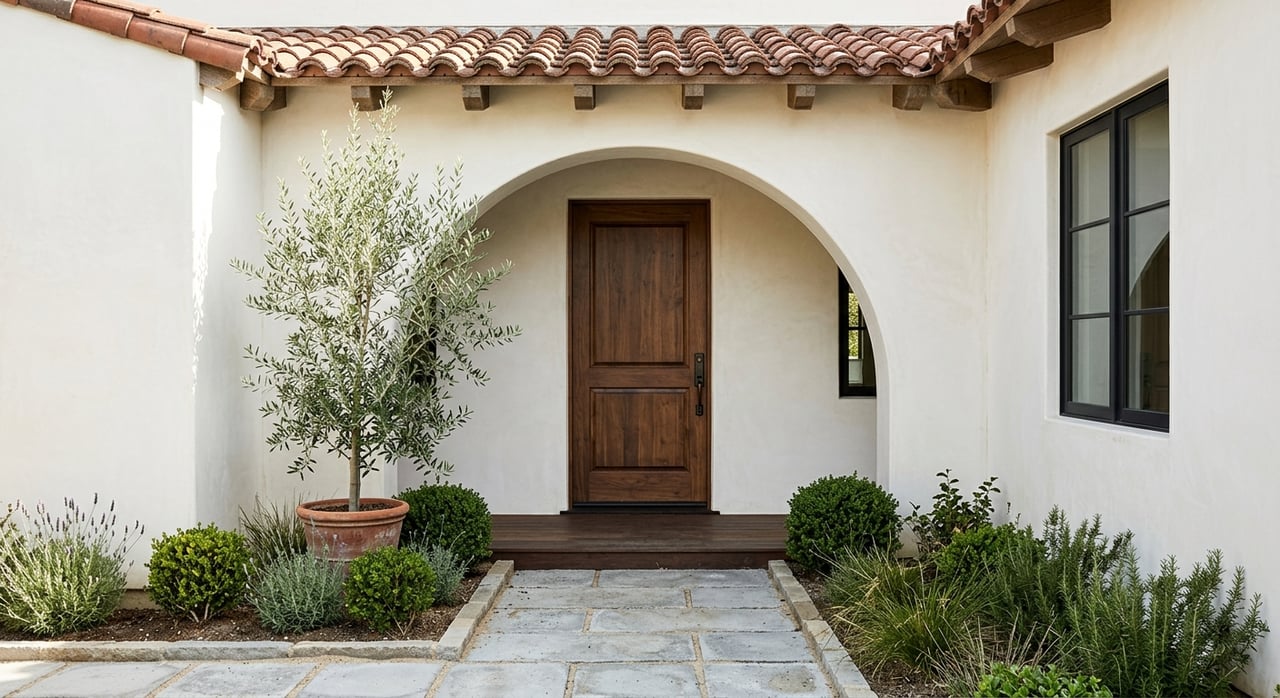
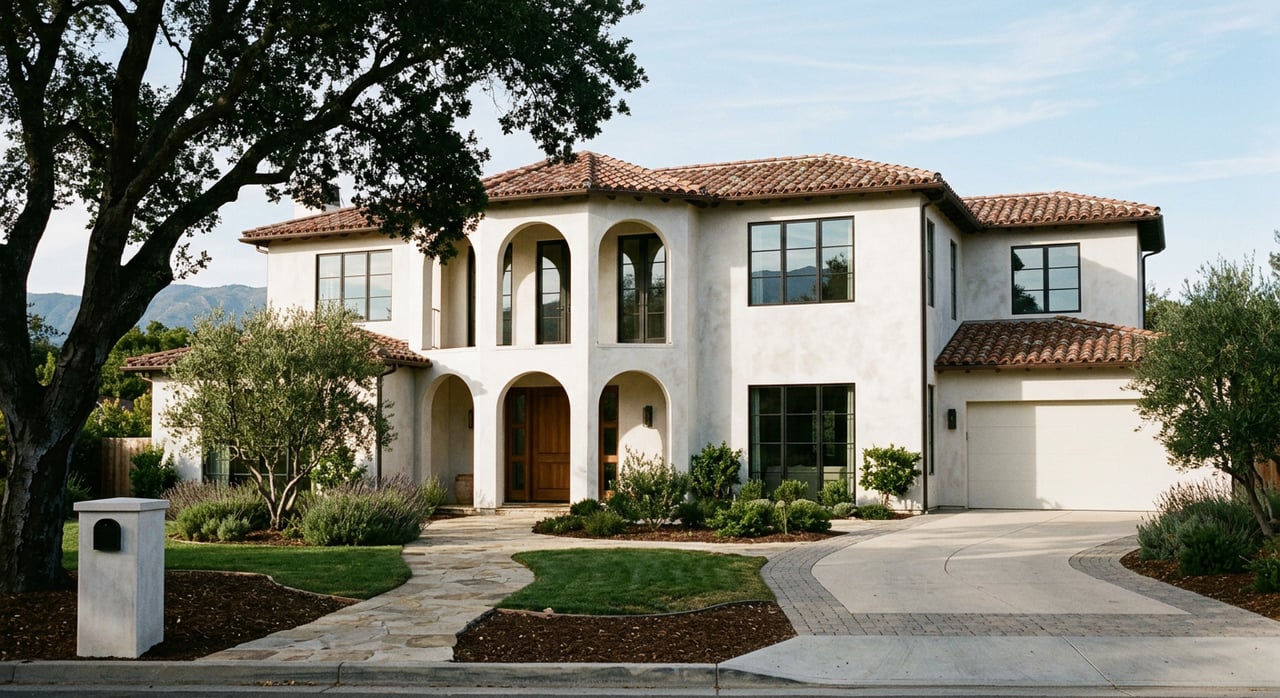
Across Pleasanton, established neighborhoods feature mature trees and residential streets. These areas make up the bulk of the housing stock, with many owner‑occupied homes and access to parks, schools, and community centers.
Planned communities and golf‑adjacent living
Pleasanton includes master‑planned neighborhoods, including golf‑oriented communities such as Ruby Hill. Homes here tend to be larger and part of cohesive subdivisions with internal parks or paths.
Condos, townhomes, and apartments
If you want lower‑maintenance living or a closer-in location, look at condo and townhome clusters near commercial corridors and transit. These can offer an entry point into the market or a good downsizing option.
What to expect in the market
- Pricing: Pleasanton is a higher‑cost Bay Area suburb. Prices and rents are above national averages and higher than many East Bay cities.
- Competition: Inventory can be tight, especially for well‑priced single‑family homes. Condos and townhomes are often more accessible for some buyers.
- Fit by lifestyle: Families often prioritize proximity to schools and parks. Commuters may prefer areas with quick access to BART or I‑580/I‑680. Downsizers tend to favor downtown condos or single‑story homes near services.
Schools and family life
Pleasanton Unified School District (PUSD) serves the city and is frequently cited as a key draw. Notable high schools include Amador Valley High School and Foothill High School, both known for academics and extracurricular options. For current performance data, view the Pleasanton Unified School District site and the California School Dashboard.
Childcare and early education options exist across the city, though availability can be tight, which is common in the Bay Area. You’ll also find public libraries, healthcare providers in the Tri‑Valley, and a robust slate of youth recreation programs through city and community organizations.
Getting around and commute
Pleasanton is moderately transit‑friendly, with regional rail access nearby and local bus service.
- BART: The Dublin/Pleasanton station and West Dublin/Pleasanton station connect you to the broader Bay Area. Review parking and schedules on the Dublin/Pleasanton BART station page.
- Local bus: LAVTA Wheels bus service links neighborhoods with BART, business parks, schools, and shopping areas. Frequency varies by route and time of day.
- Road network: I‑580 runs east–west and I‑680 runs north–south near Pleasanton. Many residents drive, and peak‑hour congestion can add time in both directions.
- Parking and last‑mile: BART parking can fill early. Some commuters use park‑and‑ride lots or connect via Wheels routes for first/last‑mile.
- Walking and biking: Downtown is the most walkable part of town. The city has bike lanes and multi‑use paths, with many daily errands still done by car.
Estimated commute times vary widely based on destination and timing. If you are comparing options for San Francisco, Oakland, or Silicon Valley, use live trip planners for up‑to‑date estimates.
Parks, trails, and local culture
Pleasanton offers an easy path to outdoor time and community events.
- Regional open space: Hike rolling trails and enjoy valley views at Pleasanton Ridge Regional Park. On warmer days, try water recreation at Shadow Cliffs Regional Recreation Area.
- Downtown and events: The Pleasanton Downtown Association events calendar features the weekly farmers’ market and seasonal street fairs and promotions.
- Regional fair: The Alameda County Fair is held each summer at the Pleasanton fairgrounds, with rides, concerts, exhibits, and fair food.
- Nearby leisure: Tri‑Valley wineries are a short drive, and you’ll find golf courses and regional trails across the area.
The nightlife scene is more relaxed than in denser Bay Area cities, with a focus on restaurants, wine bars, and family‑friendly venues rather than late‑night clubs.
Cost of living and tradeoffs
- Housing and costs: Pleasanton’s cost of living is higher than many East Bay cities, reflecting quality‑of‑life amenities and broad demand. Property taxes follow California’s assessed‑value model, plus any local measures.
- Commute tradeoffs: You benefit from proximity to two BART stations and major freeways, but peak‑hour congestion can be a factor. Consider your typical routes and timing.
- Amenities: The tradeoff for a quieter, suburban setting is fewer late‑night options. In return, you’ll have an active community calendar and easy access to parks and trails.
How it compares nearby
- Dublin: Similar Tri‑Valley location with newer development patterns. Pleasanton often feels more established with a stronger historic downtown core.
- Livermore: Offers wine‑country amenities and, in some areas, more attainable home prices. Pleasanton is closer to the BART stations and has a compact, walkable downtown.
- Walnut Creek, San Ramon, Danville: All are popular suburban options. Walnut Creek has a larger regional shopping core and direct BART access. Danville and San Ramon share a family‑oriented suburban profile. Your choice usually comes down to commute routes, school preferences, housing style, and downtown vibe.
Long‑term outlook
Pleasanton’s reputation for schools, location, and lifestyle supports steady demand. With limited new central development and ongoing Tri‑Valley appeal, the city has historically shown stable interest from buyers. Always pair long‑term trends with current market reports when you plan an offer or sale.
How to choose your fit
- List your non‑negotiables. Commute time, school needs, housing type, and outdoor access are common drivers.
- Tour by time of day. Visit during rush hour, school dismissal, and weekend events to see the rhythm of each area.
- Match neighborhood style. Decide between historic, established single‑family areas, master‑planned communities, or lock‑and‑leave condos.
- Check live data. Review school dashboards, transit schedules, and city calendars before you finalize.
- Work with a local advisor. A data‑driven agent can help you weigh budget, timing, and competition.
Ready to explore Pleasanton with a clear plan? Connect with Jobelle Salindong for relocation guidance, neighborhood tours, and a strategy built around your goals.
Request a complimentary home valuation or schedule a buyer consult with Jobelle Salindong today.
FAQs
Is Pleasanton urban or suburban?
- Pleasanton is a suburban city with a compact historic downtown and surrounding residential neighborhoods.
How do I commute from Pleasanton to San Francisco?
- Many residents drive to BART at Dublin/Pleasanton or West Dublin/Pleasanton, then ride into the city. Driving all the way is possible but can be slower at peak times.
What should I know about Pleasanton schools?
- PUSD is often cited for strong academics and activities. Review current data on the district site and the California School Dashboard to compare programs.
Are there walkable areas in Pleasanton?
- Downtown Pleasanton is the most walkable area, with shops, restaurants, and the farmers’ market. Other neighborhoods are suburban, so many errands are by car.
What are popular weekend activities in Pleasanton?
- Hike Pleasanton Ridge, relax at Shadow Cliffs, visit the farmers’ market, or check out seasonal events. In summer, the Alameda County Fair is a major draw.