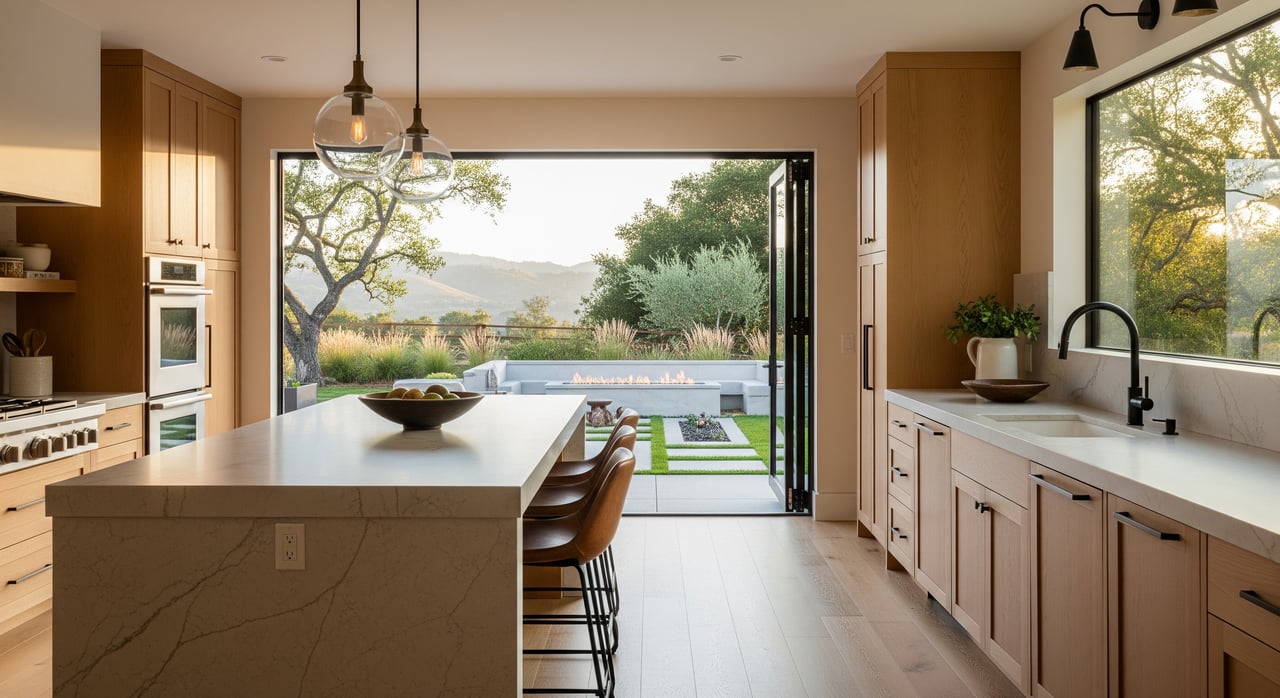
Thinking about selling your Pleasanton home and wondering where to invest for the best return? You’re not alone. With Bay Area costs and high buyer expectations, it pays to be strategic. This guide shows you which quick, cost-effective upgrades tend to deliver the biggest lift in Pleasanton, how to tailor your plan by neighborhood, and what to do first so you hit the market with confidence. Let’s dive in.
What Pleasanton buyers value
Pleasanton attracts families, commuting professionals, and move-up buyers who want clean, move-in-ready homes. They look for durable finishes, functional kitchens, updated bathrooms, tidy yards, and spaces that feel bright and well cared for. Proximity to amenities and commute options matters, and larger lots add appeal compared with denser East Bay cities.
Micro-markets shape expectations. Downtown buyers like stylish updates and strong curb appeal that fit the walkable setting. Ruby Hill and other higher-end enclaves expect premium finishes and outdoor living. Family areas like Amador Valley and West Pleasanton reward functional upgrades and storage. Value-sensitive buyers near Stoneridge favor clean, neutral updates that keep costs in check.
Top upgrades for ROI
Fresh paint
A whole-home refresh in neutral warm grays or soft tans with crisp white trim can make your home feel new. Target main living areas, the kitchen, and the primary bedroom if you can’t paint everything. It’s quick, has high perceived value, and typically requires no permits. In Pleasanton, get two to three local bids since labor costs run higher than national averages.
Lighting, fixtures, and hardware
Swapping outdated lights, faucets, cabinet pulls, and door hardware offers a big visual upgrade for a modest spend. Coordinate finishes for a clean, modern look. Choose LED bulbs to brighten rooms and help spaces feel larger. Electrical permits are usually not needed for like-for-like swaps, but adding new circuits can trigger permitting.
Landscaping and curb appeal
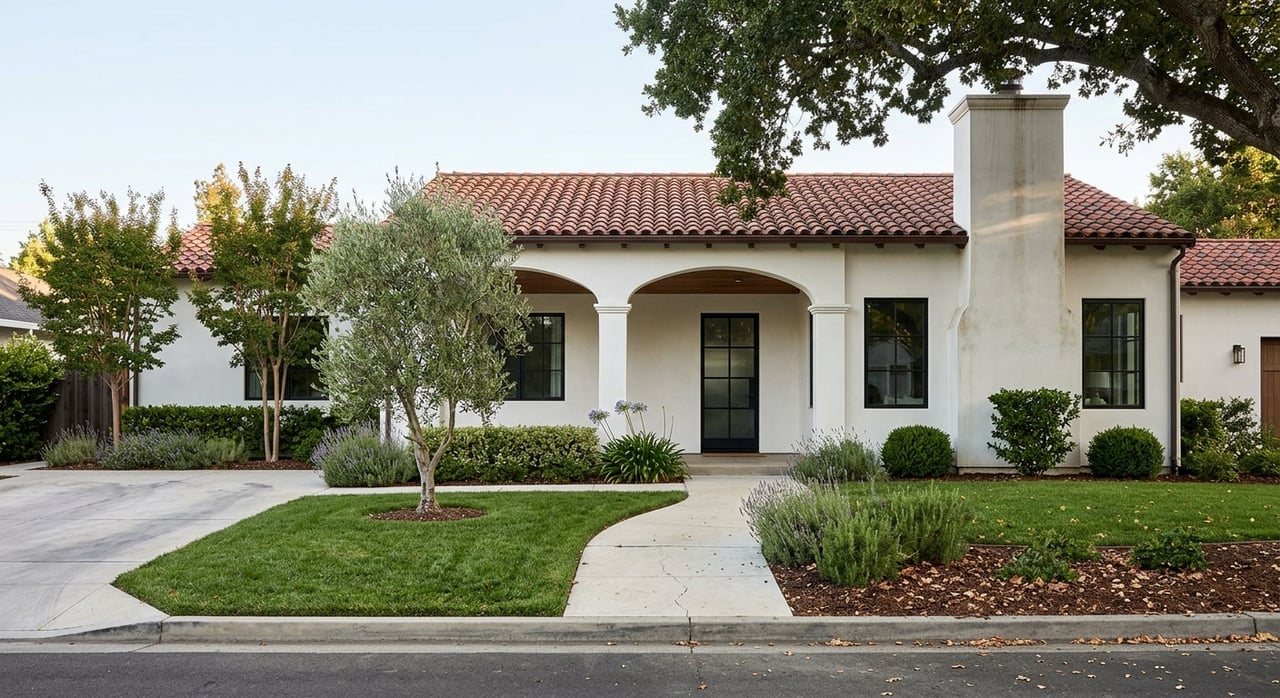
First impressions are critical, especially in drive-by-friendly neighborhoods. Tidy the front yard, trim and weed, add mulch, refresh planters, and pressure-wash paths and the driveway. Update house numbers and the mailbox, and ensure your entry lighting works. Consider low-water plantings that reduce maintenance concerns. Larger hardscape projects may require permits from the City of Pleasanton.
Minor kitchen refresh
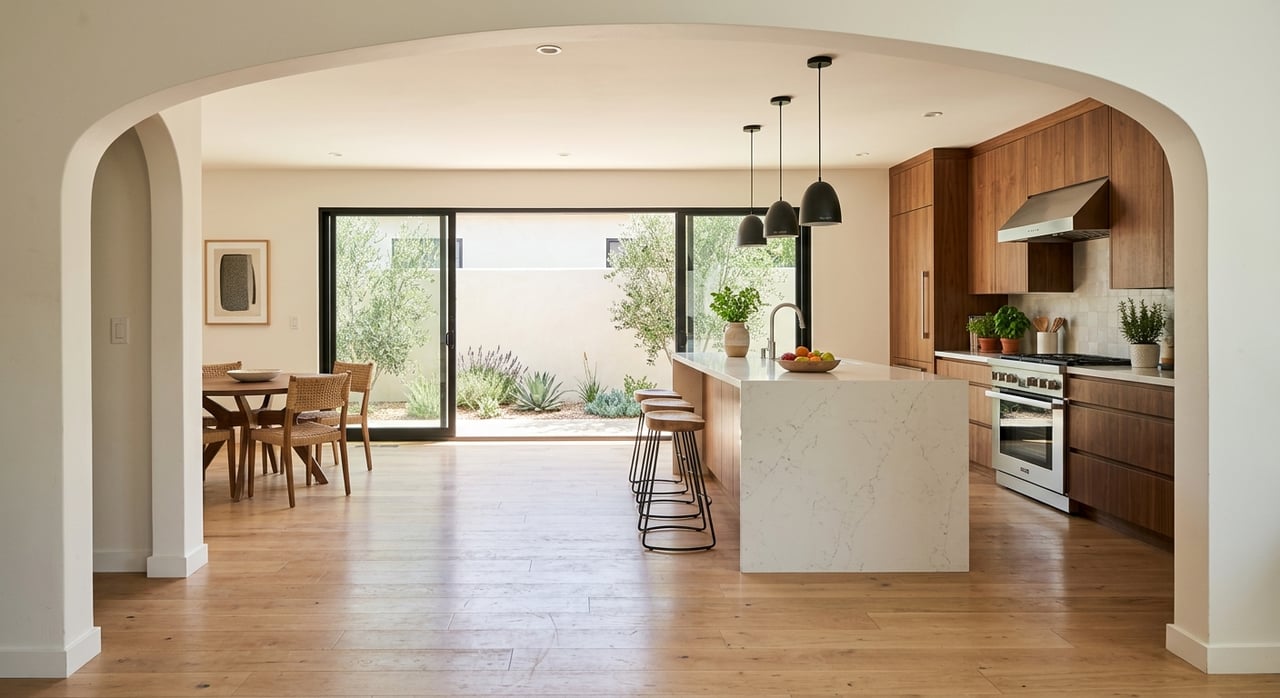
Kitchens strongly influence offers, but a full remodel is rarely necessary before listing. Instead, focus on visible, high-impact touches:
- Repaint or reface cabinets.
- Replace worn counters with a durable surface like quartz.
- Update hardware, the sink and faucet, and lighting.
- Replace dated or mismatched appliances with a coordinated set.
- Refresh the backsplash and clean or re-caulk.
This approach delivers a strong perception of value in most Pleasanton price bands. In higher-end neighborhoods, choose elevated finishes to match buyer expectations. Permits are not typically needed for replacements that don’t relocate plumbing or electrical.
Bathroom refresh
Buyers notice cleanliness and condition in bathrooms. Re-grout and re-caulk, swap in a new vanity or counter, upgrade fixtures and mirrors, and add bright, flattering lighting. Reglaze a worn tub if needed. Keep layouts as-is to avoid plumbing or electrical changes that require permits.
Floors and finishes
If floors look tired, your home can feel older than it is. Refinish hardwood, replace worn carpet, and address damaged transitions or tiles. Focus on neutral, durable materials that show well and stand up to daily living.
Entry and garage upgrades
Create a welcoming first impression with a freshly painted front door, updated house numbers, and a clean, styled entry. In the garage, declutter, add shelving, and ensure the door and hardware operate smoothly. These small fixes build buyer confidence and signal a well-maintained property.
Professional staging
Staging helps buyers visualize daily life in your home and can reduce time on market. Prioritize the living and family rooms, dining room, kitchen, primary bedroom, and any outdoor entertaining space. In Pleasanton’s lifestyle-focused areas, staged patios or decks often make a difference. Full staging is recommended for vacant homes; partial staging works well for occupied homes.
Tailor upgrades by area
Downtown Pleasanton
Lean into curb appeal and stylish but neutral interiors. Use polished staging and on-trend lighting that complements the walkable setting. Focus on an inviting entry and bright, clean kitchen and baths.
Ruby Hill and Vintage
Buyers expect elevated finishes. Invest more in outdoor living, premium kitchen and bath materials, high-quality landscaping, and professional staging. Cosmetic-only updates may underperform at this level.
Amador Valley and West Pleasanton
Family buyers will value storage, durable flooring, a functional pantry, and practical bath improvements. Keep finishes neutral and robust for everyday use.
Stoneridge and nearby
Value-sensitive buyers respond to clean, neutral updates and affordability. Prioritize paint, fixtures, lighting, and basic kitchen or bath refreshes that show well without overspending.
Older neighborhoods
Modest investments in paint, flooring fixes, lighting, and hardware can dramatically improve perceived value. Address obvious wear and tear and brighten spaces.
Budget and timeline
If you’re short on time or budget, follow this order for the best overall lift:
- Paint (interior and exterior touch-ups)
- Landscaping and curb appeal
- Declutter, deep clean, and staging
- Lighting, fixtures, and hardware
- Targeted kitchen and bath refreshes
Quick wins (1–2 weeks): paint touch-ups, declutter, deep clean, fixture swaps, front yard tidy, staging setup.
Medium projects (2–6 weeks): cabinet refinishing, countertop replacement, appliance updates, bathroom refreshes.
Longer projects (6+ weeks): full remodels and structural changes. Only consider these if neighborhood comps justify the spend and you have the timeline to do them right.
Avoid common pitfalls
- Over-improving: Installing ultra-luxury finishes in a mid-tier block rarely returns full value and can slow your sale.
- Under-improving: Skipping obvious fixes or curb appeal can reduce offers and negotiating leverage.
- Permit and disclosure risks: Moving walls, plumbing, or wiring without proper permits can cause issues during escrow. Confirm permit needs with the City of Pleasanton before starting complex work and disclose past work accurately.
- Timing: In a fast seller’s market, light prep might be enough. In a balanced market, invest more in presentation to stand out.
Your step-by-step prep plan
- Review comps: With your agent, study sales from the last 30–90 days in your micro-market to see the finishes buyers expect at your price point.
- Walk-through: Do a joint assessment with a contractor to flag peeling paint, stains, worn floors, and dated fixtures.
- Set a budget: Allocate dollars to the highest-impact items for your area.
- Hire local pros: Secure 2–3 bids for painters, landscapers, electricians/plumbers for fixture work, cabinet refacing, flooring, and staging. Choose licensed, insured vendors with Pleasanton references.
- Execute in order: Curb appeal, paint, fixtures/lighting, kitchen/bath touches, staging, then professional photos and floor plan.
- Final checks: Confirm permit and disclosure details are in order before going live.
Staging tips that work
- Stage high-impact areas: living/family room, primary bedroom, kitchen, dining, and outdoor spaces.
- Keep it neutral: Slightly upscale yet comfortable furnishings resonate across Downtown and higher-end neighborhoods.
- Light it right: Use warm, bright bulbs and let in natural light.
- Depersonalize: Remove most personal items and pet signs to appeal to the widest audience.
How to maximize your sale with Jobelle
You deserve a plan that balances cost, speed, and return. With local Tri-Valley insight and a data-driven approach, Jobelle helps you target the right updates for your Pleasanton micro-market, connect with vetted vendors, and manage preparation from start to finish. If upfront costs are a concern, you can explore Compass Concierge to complete approved improvements and pay at closing.
You also get strategic pricing, phased marketing, professional staging resources, and responsive communication throughout. The result is a smoother process and a stronger position when offers arrive.
Ready to see what your Pleasanton home could sell for and which upgrades to prioritize? Request a complimentary home valuation with Jobelle Salindong.
FAQs
What are the best ROI upgrades in Pleasanton?
- Focus on paint, curb appeal, decluttering and staging, updated lighting and hardware, and targeted kitchen and bath refreshes that match your micro-market.
How much should I spend before listing?
- Set a budget based on recent nearby comps and your price band; prioritize quick, visible improvements and avoid large remodels unless comps require them.
Do I need permits for common updates?
- Cosmetic work like paint, hardware swaps, and most appliance replacements usually do not require permits; moving plumbing, major electrical, or structural changes typically do.
Should I fully remodel my kitchen in a luxury area?
- In higher-end neighborhoods like Ruby Hill, buyers expect premium finishes, but a full remodel only makes sense if comps demand it and your timeline supports quality work.
How long do pre-list upgrades take in Pleasanton?
- Quick wins take 1–2 weeks, medium refreshes 2–6 weeks, and major remodels 6+ weeks; plan based on your target list date and comp-driven needs.
Is staging worth it in this market?
- Yes. Industry surveys show staging often reduces time on market and can improve offer quality, especially in lifestyle-focused and higher-priced Pleasanton areas.